
What This Error Means
Windows uses permissions to control who can access files and folders.
If your account does not have the correct permissions, Windows will block access to protect your data and system files.
You may see this error when:
- Opening restricted folders
- Accessing files created by another user account
- Trying to modify system files
- Moving or deleting protected content
Common Symptoms
- "Access Denied" message when opening folders
- Unable to view or edit files
- Permission prompts appearing repeatedly
- Folders owned by another user
- Files locked or restricted
Why This Happens
- Your account does not have permission
- The folder belongs to another user
- Security settings are blocking access
- Corrupted permission settings
- Antivirus or system restrictions
What Happens Behind the Scenes
Every file and folder in Windows has an owner and a set of permissions.
When you try to open or modify a folder, Windows checks whether your account has the required access rights.
If it doesn’t, the system blocks the action and shows the “Access Denied” message.
This helps protect important files and prevents unauthorized changes.
Quick Fix Summary
If you're in a hurry, try these first:
- Restart your computer
- Run File Explorer as administrator
- Check folder permissions
- Take ownership of the folder
These steps resolve the issue for most users.
How to Fix Folder Access Denied – Step by Step
Follow these steps in order. After each step, try opening the folder again.
Restart Your Computer
Temporary permission glitches can block access.
- Restart your PC
- Try accessing the folder again
Run File Explorer as Administrator
Administrator access can bypass permission restrictions.
- Search for File Explorer
- Right-click → Run as administrator
- Try opening the folder
Check Folder Permissions
Your account may not have the required access rights.
- Right-click folder → Properties
- Go to Security tab
- Check if your user has access
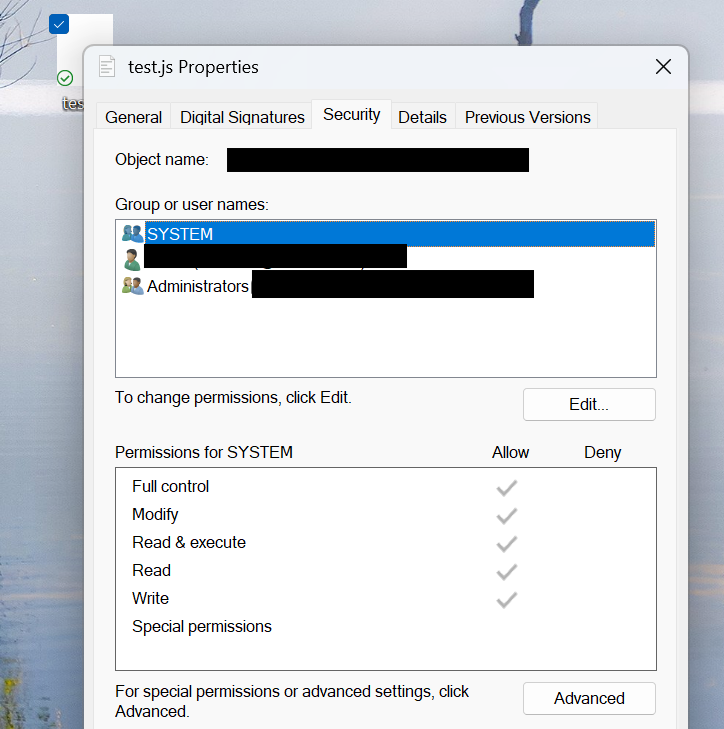
Take Ownership of the Folder
If the folder belongs to another user, you may need to take ownership.
- Right-click folder → Properties
- Go to Security → Advanced
- Click “Change” next to Owner
- Enter your username → Apply
Grant Full Permissions
After taking ownership, permissions may still be restricted.
- Go to Security settings
- Select your user account
- Enable “Full Control”
Disable Antivirus Temporarily
Security software may block access to certain folders.
- Temporarily disable antivirus
- Try opening the folder
Important: Only do this if the folder is safe.
Use Another User Account
This helps determine if the issue is account-specific.
- Log into another account
- Try accessing the folder
Advanced Fixes (If Access Is Still Denied)
Reset Folder Permissions
Resetting permissions can resolve deeper configuration issues.
Run System File Checker
Corrupted system files can affect permissions.
sfc /scannowCheck Group Policy Settings
Advanced users can verify system-level restrictions.
Real Life Example
A user tries to access a folder created by another account and receives an “Access Denied” message.
Windows blocks access due to ownership restrictions.
Taking ownership and granting permissions resolves the issue instantly.
Frequently Asked Questions
Why is access denied on my own computer?
Can I fix this without admin access?
Is it safe to change permissions?
What is the fastest fix?
Final Thoughts
The "Folder Access Denied" error is very common and usually easy to fix.
Start with simple steps like running as administrator and checking permissions before moving to advanced fixes.
In most cases, access can be restored within minutes.