What This Error Means
Your device is successfully connected to your local network (your router), but it cannot connect to the wider internet.
This means:
- Your connection to the router is working
- Your router may not have internet access
- Your device may not be communicating properly with the network
You may notice:
- Wi-Fi shows connected but no internet
- Websites not loading
- Apps unable to connect
- Network warning messages
Common Symptoms
- Connected to Wi-Fi but no internet
- Ethernet connected but no access
- Slow or unstable connection
- Frequent disconnections
- Error appearing during troubleshooting
Why This Happens
- Your router lost internet connection
- Your device did not receive a valid IP address
- DNS settings are not working
- Network adapter needs resetting
- Your internet provider has issues
- Firewall or antivirus blocking access
What Happens Behind the Scenes
When your device connects to a network, it needs both a local connection (to the router) and external access (to the internet).
If your router loses connection to your internet provider, or your device cannot properly communicate with the router, you’ll see this error.
That’s why your connection can appear “connected” but still not work.
Quick Fix Summary
If you're in a hurry, try these first:
- Restart your router
- Restart your computer
- Reconnect to your network
- Check other devices
These steps fix the issue for most users.
How to Fix No Internet Access on Windows – Step by Step
Follow these steps in order. After each step, check if your internet connection is working again.
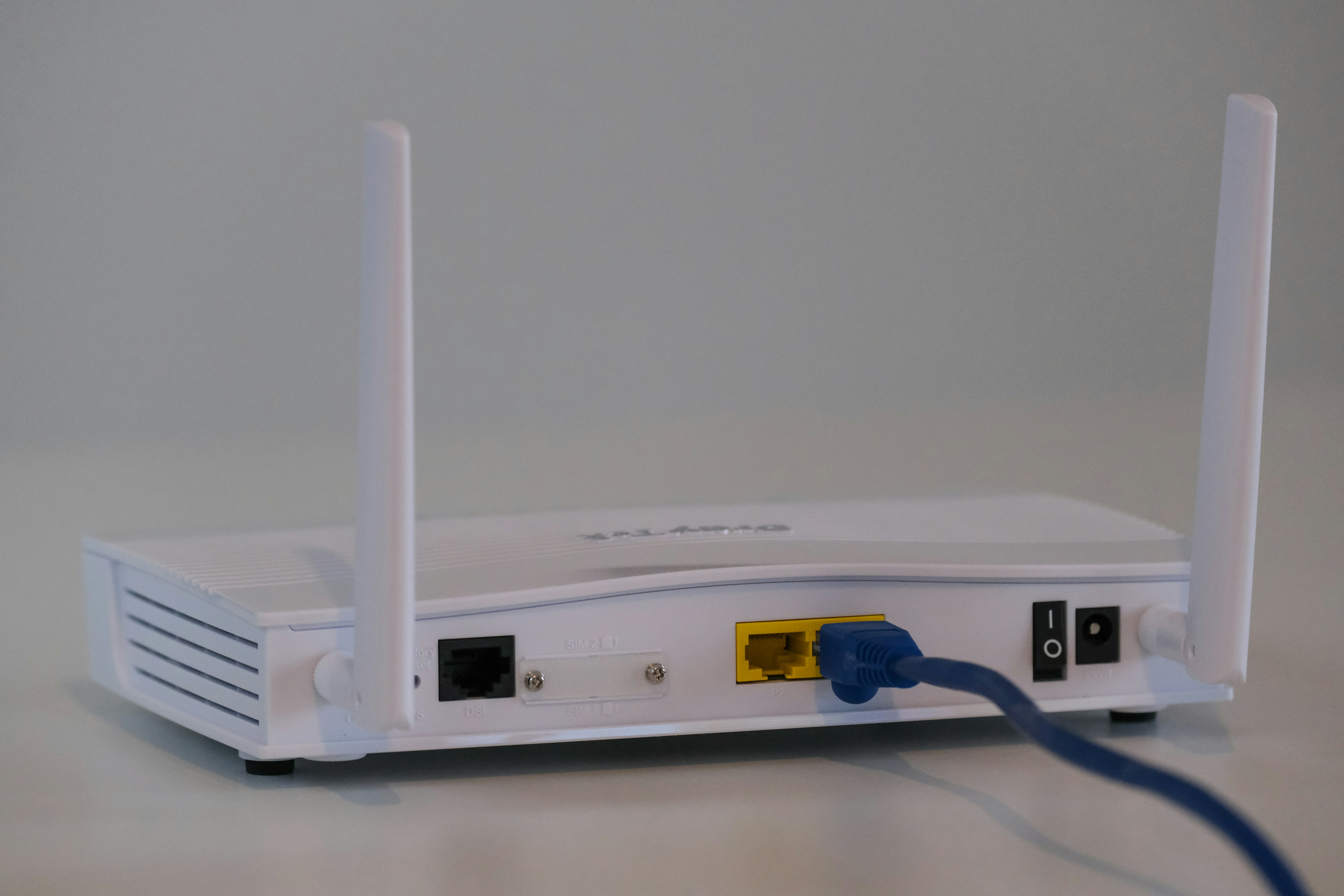
Restart Your Router (Most Effective Fix)
Your router may have lost connection to the internet.
- Turn off your router
- Wait 30–60 seconds
- Turn it back on
- Reconnect to your network
This fixes the issue in many cases.
Restart Your Computer
Restarting refreshes network settings and clears temporary issues.
- Restart your PC
- Reconnect after startup
Reconnect to Your Network
Your connection may have dropped or become unstable.
- Disconnect from Wi-Fi or Ethernet
- Reconnect manually
- Re-enter password if needed
Check Other Devices
This helps determine whether the issue is your device or your network.
- Connect another phone or laptop
- If it also fails, the issue is likely your router or ISP
Run Network Troubleshooter
Windows includes a built-in tool to detect connection problems.
- Go to Settings → Network
- Click “Troubleshoot”
- Follow the instructions
Reset Network Adapter
Refreshing your adapter can fix communication issues.
- Disable your network adapter
- Wait a few seconds
- Enable it again
Release and Renew IP Address
This forces your computer to request a new IP address.
- Open Command Prompt as administrator
- Run:
Flush DNS Cache
Outdated DNS records can block internet access.
- Run:
Advanced Fixes (If Internet Still Doesn’t Work)
Reset Network Settings
This restores all network configurations to default.
Check Router Configuration
Ensure your router is properly connected to your internet provider.
Contact Your Internet Provider
If nothing works, there may be an outage or service issue.
Real Life Example
A user sees “Connected” on their laptop but cannot load any websites.
The issue is that the router is not receiving internet from the provider.
Restarting the router restores the connection instantly.
Frequently Asked Questions
Why does it say connected but no internet?
Can restarting fix internet issues?
Is my internet provider the problem?
What is the fastest fix?
Final Thoughts
The "No Internet Access" issue is very common and usually easy to fix.
Start with simple steps like restarting your router before moving to advanced troubleshooting.
In most cases, your internet connection will be restored within minutes.