
What This Means
Your CPU (Central Processing Unit) is the part of your computer that handles all tasks — from opening apps to running background processes.
When CPU usage is too high, your system may:
- Slow down significantly
- Freeze or lag
- Take longer to open programs
- Become unresponsive
Common Symptoms
- CPU usage constantly at 80–100%
- Slow system performance
- Programs freezing or crashing
- Loud fan noise (CPU overheating)
- Delayed response when clicking or typing
Why This Happens
- Too many background applications running
- A single program using excessive CPU
- Windows updates running in the background
- Malware or unwanted processes
- Outdated drivers or system bugs
- Too many startup programs
What Happens Behind the Scenes
Your CPU has a limited amount of processing power. When too many tasks run at once, it becomes overloaded.
Some programs — especially browsers, games, or poorly optimized apps — can consume a large portion of CPU resources.
If one process takes up most of the CPU, everything else slows down.
That’s why identifying the cause is the most important step.
Quick Fix Summary
If you're in a hurry, try these first:
- Restart your computer
- Close unnecessary programs
- Check Task Manager
- Disable startup apps
These quick fixes solve the issue for most users.
How to Fix High CPU Usage on Windows – Step by Step
Follow these steps in order. After each step, check if your CPU usage drops.
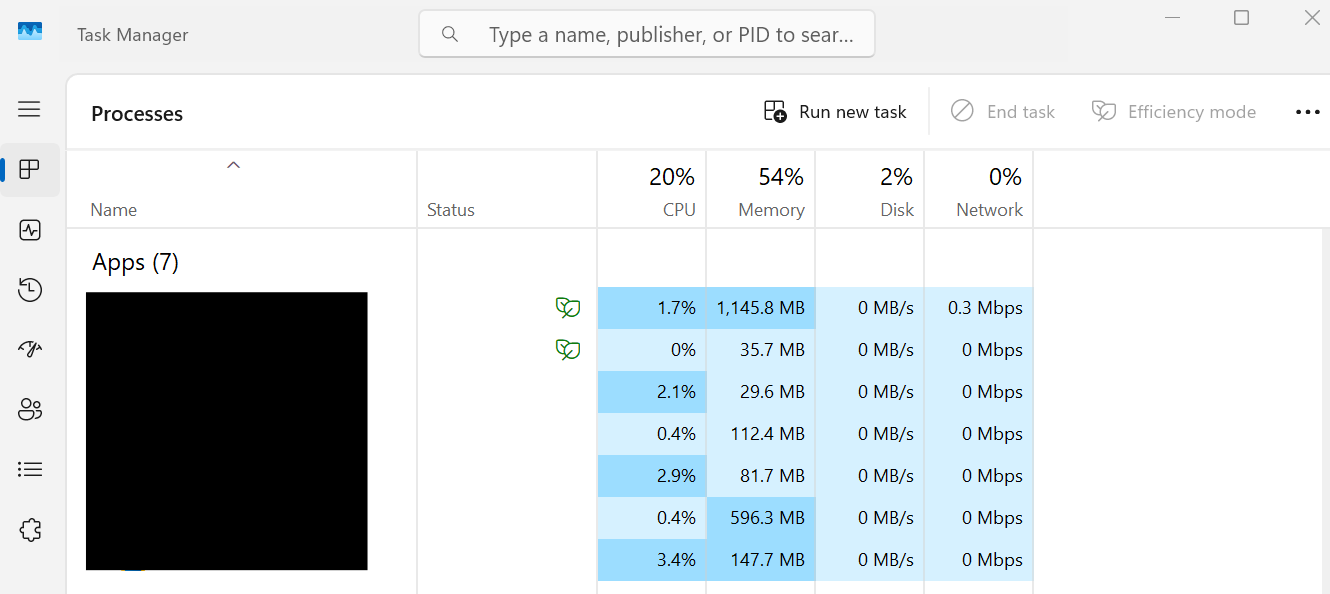
Check Task Manager (Most Important Step)
You need to find out what is using your CPU.
- Press Ctrl + Shift + Esc
- Open Task Manager
- Click the CPU column to sort usage
- Identify the highest usage program
Close High-Usage Programs
Some applications may use more CPU than expected.
- Select the app in Task Manager
- Click “End Task”
Only close programs you recognize.
Restart Your Computer
Restarting clears temporary processes and resets CPU usage.
- Restart your PC
- Check CPU usage after startup
Disable Startup Programs
Too many startup apps can slow your system down.
- Open Task Manager
- Go to Startup tab
- Disable unnecessary apps
Scan for Malware
Malware can run hidden processes and consume CPU resources.
- Run Windows Defender or antivirus scan
- Remove any threats found
Update Windows and Drivers
Outdated software can cause performance problems.
- Go to Settings → Windows Update
- Install updates
- Update drivers in Device Manager
Adjust Power Settings
Power settings can impact CPU performance.
- Go to Control Panel → Power Options
- Select Balanced or High Performance
Check Background Processes
Some hidden processes may be using CPU resources.
- Open Task Manager → Processes
- Look for unusual or unknown processes
Advanced Fixes (If CPU Usage Is Still High)
Reinstall Problem Applications
Some apps may be poorly optimized or corrupted.
Update BIOS or Firmware
Advanced users can check for system-level updates.
Upgrade Hardware
Older CPUs may struggle with modern applications.
Real Life Example
A user opens multiple browser tabs along with background apps, causing CPU usage to reach 100%.
The system becomes slow and unresponsive.
Closing unnecessary programs and restarting immediately improves performance.
Frequently Asked Questions
Why is my CPU always at 100%?
Does restarting fix high CPU usage?
Can malware cause high CPU usage?
What is the fastest fix?
Final Thoughts
High CPU usage is a common issue and is usually easy to fix.
Start by checking Task Manager and closing unnecessary programs before moving to advanced steps.
In most cases, your system performance will improve within minutes.